The first rule: do not make it worse
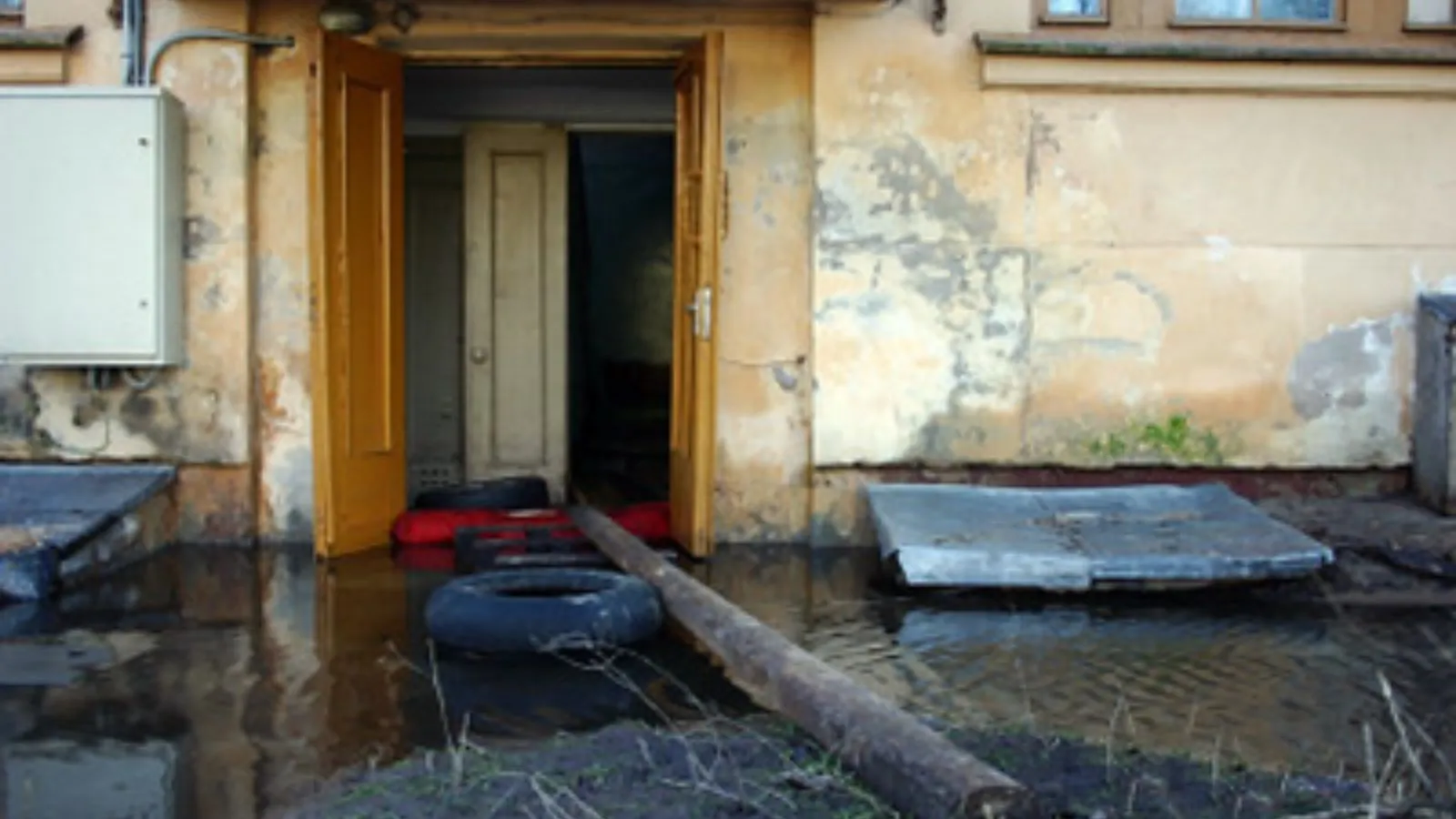
Water that reaches outlets, cords or appliance plugs can energize the water around them. Safety groups such as the Electrical Safety Foundation International warn that submerged outlets and cords can turn standing water into a hazard.
If you can reach the breaker panel from a dry spot, turn off the circuits that serve the wet area. If the panel is wet or you have to cross standing water to reach it, stay out and call your electric utility or an electrician.
When to unplug and when not to touch
| Situation | What to do | Why |
|---|---|---|
| Electronics near a leak, floor is dry. | Unplug and move them to a dry spot. | Removes the shock path and the damage. |
| Cords or outlets in standing water. | Do not touch, shut off the breaker from a dry spot or call the utility. | Water may be energized. |
| Device was splashed, still works. | Power it off, unplug, remove the battery if you can and let it dry. | Moisture can corrode inside. |
| Appliance that was submerged. | Do not plug it in, have a technician inspect or replace it. | Water inside can cause a short or shock. |
| Outlet or panel was wet. | Have an electrician inspect before turning it back on. | Hidden corrosion and slow leaks can remain. |
The guidance consistently says not to plug in or power up appliances that have been wet until an electrician or technician says it is safe. Electrical equipment that was submerged generally has to be replaced.
Devices that got wet but were not submerged
A phone, tablet or laptop that was splashed should be turned off and unplugged right away. Do not charge it, and do not press buttons to see if it works.
Remove the case and the battery if the device allows it, and place it in a dry, ventilated spot. Keep it away from heaters, and take it to a repair shop if it matters to you, since the data may be recoverable even if the device is not.
In Dedham, electrical work is overseen through the Building Department at Town Hall, which issues permits through its online portal, with plumbing and gas and wiring permits handled by divisions of the department. If a flood means replacing a panel or rewiring a section, ask the department what applies.
If water reached your panel or a meter, call your electric utility before anyone touches it. The utility has its own safety rules for flooded service equipment.
What happens to the rest of the electrical system
Outlets, switches and wiring that were wet should be checked even if the power seems fine. Corrosion can show up weeks later as a tripped breaker, a warm outlet or a smell.
An electrician can test circuits and replace anything suspect. A restoration company cannot certify wiring, and we do not do electrical repairs, though we work around the electrician’s schedule.
During cleanup
- Keep power off in the wet area until it is dry and checked.
- Use extension cords from a dry circuit only and keep them out of standing water.
- Do not run household vacuums or fans where water is on the floor.
- Move electronics to a higher floor rather than stacking them on wet furniture.
- Label cords and photograph setups before you disconnect them.
Photographs of damaged equipment help with an insurance claim, so take pictures of model plates and serial numbers before you discard anything.
Heating and cooling equipment
Furnaces, boilers, water heaters and air handlers in a flooded basement need professional inspection before they are turned on. Their controls and burners are not made to run after getting wet.
If your equipment sits low and floods often, a contractor can raise or relocate it. That is a mechanical and electrical job, and our flood damage cleanup page describes the cleanup that happens around it.
Computers, televisions and home offices
A computer or television that sat in a damp room should be unplugged, left off and checked by a technician before it is turned on. Cords near the floor are often the first to get wet.
Surge protectors and power strips that got wet should be discarded. They contain parts that can fail in a dangerous way after moisture gets inside.
Alarm systems and smoke detectors
Wet smoke and carbon monoxide detectors, doorbells and alarm panels may stop working or fail unsafely. Replace them if they were wet, and test the new ones after installation.
Leaks from appliances onto electronics
A washer or dishwasher leak can reach nearby outlets and cords. Our appliance leak water damage page explains how those leaks spread under flooring and into walls.
If you are not sure the area is safe to enter, wait. The service area page lists where we work in Dedham, and the dispatch line is open at all hours.
Questions from Dedham homeowners
Should I put a wet phone in rice?
We do not have a primary source that supports it, so we do not recommend relying on it. Power the device off, remove the battery if possible, keep it dry and ventilated and take it to a repair shop.
Is it safe to flip the breaker if the basement has water?
Only if you can reach the panel from a dry spot without crossing water. Otherwise stay out and call your utility or an electrician.
Can wet outlets be reused?
They should be inspected by an electrician first. Corrosion and hidden moisture can cause problems later even when they seem to work.
Who handles electrical permits in Dedham?
The Building Department at Town Hall, which issues wiring permits through its divisions. Ask before a major electrical repair.