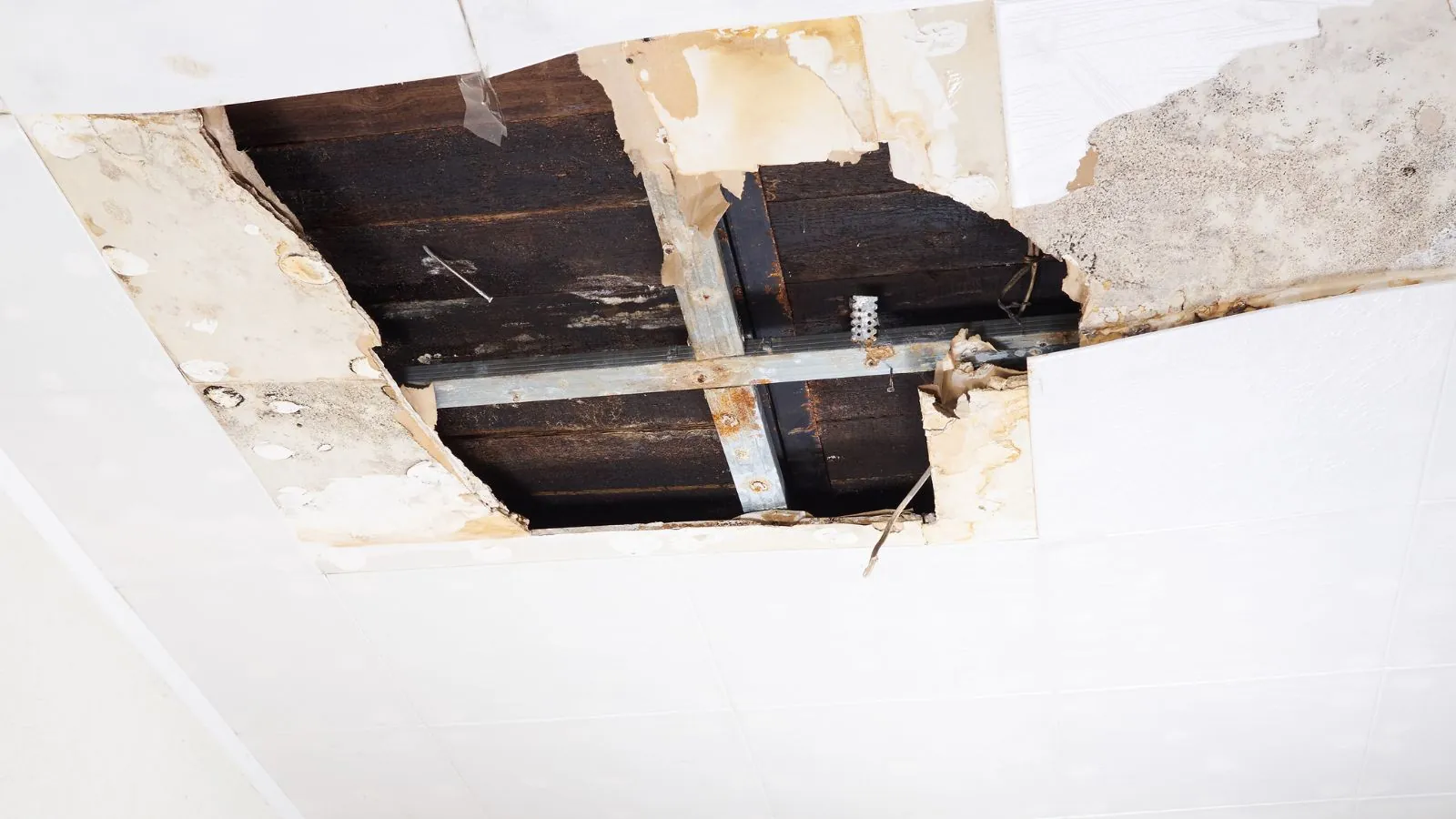
Commercial losses are bigger than the visible water
A commercial loss touches more than floors. It reaches shared walls, ceiling tiles, inventory, electrical rooms and the neighbors above and below, so the first job is to understand the whole path of the water.
Large buildings also mean long runs of drywall and slab, multiple tenants and building systems that stay in service. We map the loss before we place equipment so drying is organized rather than scattered.
Dedham’s commercial corridors
Dedham’s business activity centers on corridors such as Providence Highway, where Dedham Pointe and the Dedham Mall sit, Legacy Place, High Street and Washington Street, with Route 128 close by. Our office is on Providence Highway.
Retail, restaurant, office and medical suites each have different needs. A restaurant has kitchen lines, a retail unit has stock on the floor and an office has equipment and records, and we plan around each.
When the loss is large
Large-loss work starts with an assessment, not a quote over the phone. We walk the building, record moisture readings and explain the scope, the order of work and the likely equipment needs before any crew commits.
If your commercial policy includes business interruption or contents coverage, ask your insurer what documentation it needs. Our photos, readings and drying logs are written to be passed along.
Call the dispatch line and tell us the type of space and how far the water reached.
Night and weekend losses
Sprinkler discharges and burst lines often happen when a building is empty. The line is open at every hour, every day, and we offer same-day response when available.
How a commercial job runs
Assess
Walk the loss, check utilities and record moisture across the affected space.
Extract and protect
Remove water and protect contents, equipment and unaffected areas.
Dry in zones
Set equipment by area and monitor readings daily.
Report and repair
Provide documentation and scope any rebuild.
A tenant space with a ceiling leak above it may overlap with ceiling water damage repair, and a flooded storage room can resemble basement water damage cleanup.
Dedham, the Norfolk County seat since 1793, mixes historic downtown buildings around Dedham Square with highway retail at Dedham Pointe and Legacy Place. The Norfolk County Courthouse on High Street, completed in 1827 according to the town, is one example of an older building where plaster, stone and layered systems change how water travels.
For older commercial buildings and newer retail alike, the Dedham Building Department at Town Hall is the office to ask about permits for repairs. The town says most improvement projects require permits.
What we check in the first walk-through
The technician finds the source, shuts down or isolates affected systems with the building contact, and takes readings across floors, walls and ceilings. Photographs and notes are organized by space so a property manager or insurer can follow them.
We explain the scope and price before work starts, and we state clearly what is included in the first phase.
Documentation property managers actually need
A property manager or building owner needs a record that can be shared with insurers, tenants and contractors. We provide photographs of each affected space, moisture readings with dates and a written scope organized by area.
Keep a log of when the water was discovered, who shut off the source and what was moved, because those details are the first questions an adjuster asks.
What to do before we arrive
These steps are general safety guidance for a wet home or business. If anything feels unsafe, leave the area and call the dispatch line.
- Shut off the water and power to the affected zone if you can do so safely.
- Move people out of wet areas and mark them off.
- Photograph inventory, ceiling tiles and equipment before anything is moved.
- Notify your property manager or landlord.
What drives commercial water damage cost
Building size
Square footage and ceiling height set equipment needs.
Occupancy
Active tenants and business hours change the work schedule.
Materials
Carpet tile, drywall, ceiling tile and slab each dry differently.
Water category
Sprinkler water, supply water and sewage are handled differently.
Drying days
Larger buildings dry in zones that finish at different times.
Rebuild scope
Repairs and tenant improvements are separate from the drying scope.
Commercial coverage varies widely, so read the policy and ask about contents, business interruption and water backup. Standard homeowners policies in Massachusetts generally do not cover flood, and the state Division of Insurance says a sump pump or water backup endorsement may add limited coverage. Read your own policy and report the loss to your insurer promptly.
Questions from Dedham property owners
Do you handle commercial water damage emergencies at night or on weekends in Dedham?
Yes. Commercial losses often start after hours, so the dispatch line answers at every hour of every day. We offer same-day response when available and explain the scope and price before work starts.
Do you work with property managers and tenants?
Yes. We coordinate with the building contact so affected spaces, shared areas and unaffected tenants are handled in the right order.
Can you work around business hours?
We discuss scheduling on site. Some work, such as extraction, cannot wait, while later drying and repair steps can sometimes be scheduled around operations.
How large a loss can you assess?
We assess losses from a single suite to whole floors. A large-loss assessment starts with a walk-through so the scope and order of work are explained before crews and equipment commit.
Do you explain price first?
Yes. We explain scope and price before work starts.