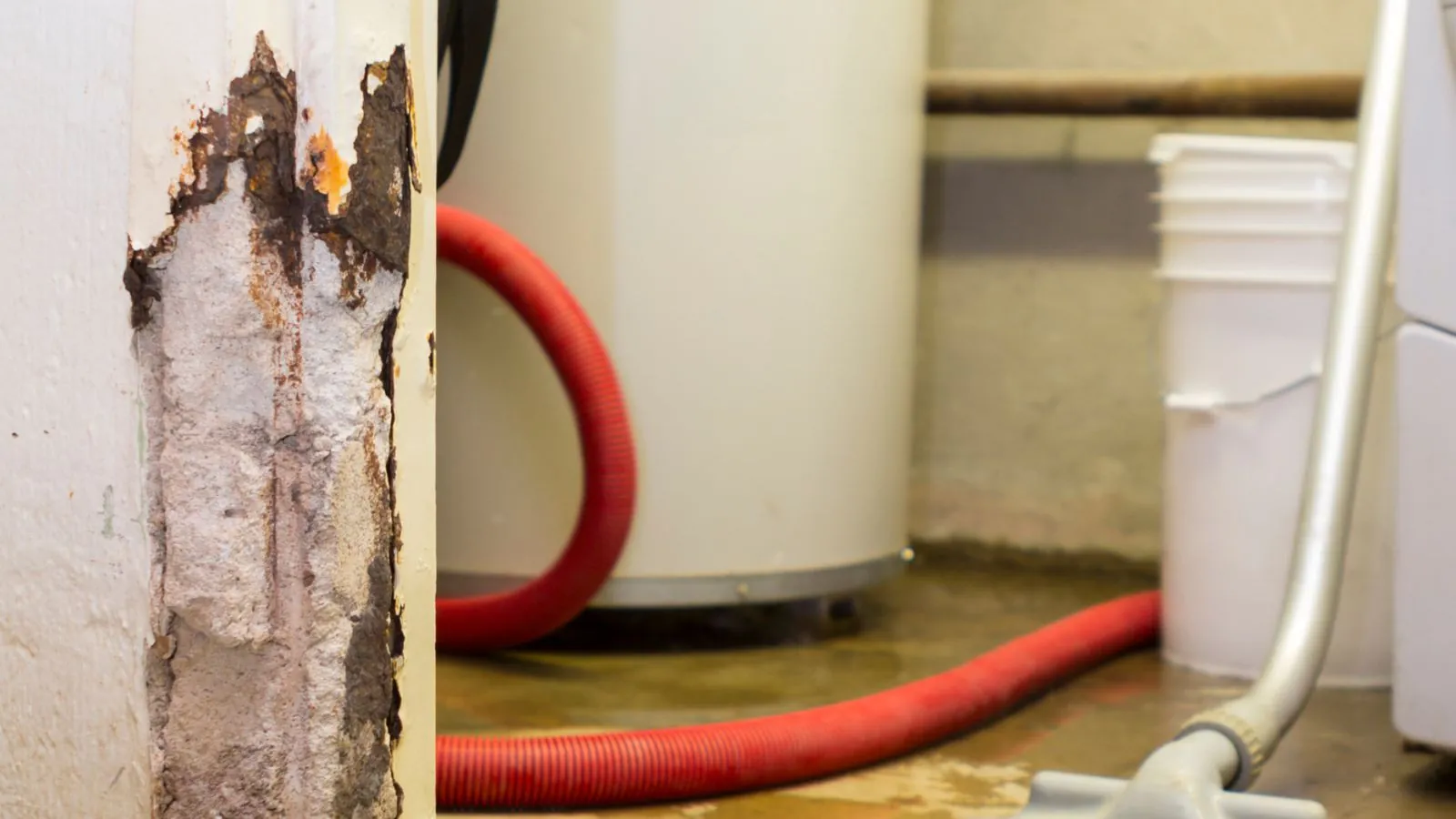
If sewage is coming up right now
- Stop using sinks, tubs, toilets and the washing machine so no more water enters the line.
- Keep people and pets out of the affected area.
- Do not run a household vacuum or fan through contaminated water.
- Turn off power to the area from a dry location if outlets are wet.
- Photograph the water and the affected items before anything is moved.
Sewage water is classed as Category 3 under the IICRC S500 standard, which means it must be handled with protective equipment and disposed of properly. That is not a job for a mop and a bucket.
Where backups start
A backup usually comes from one of three places. The house line can clog with roots or grease, the public sewer main can back up during heavy rain, or a floor drain and sump system can reverse flow in a storm.
The location matters for who fixes the cause. A blockage inside your property line is a plumber’s job, while a problem in the public main is something to report to the town. Dedham’s public sewers are maintained by the town’s Department of Public Works and Engineering, so ask whether the blockage sits in the main.
Backups do not wait for daylight
The worst backups come during heavy rain and at times when a whole street is running water. We answer the dispatch line around the clock and offer same-day response when available.
Call now, stay out of the water and keep everyone clear until the crew arrives.
How we clean up a sewage loss
Contain and protect
Set up barriers and use protective equipment before touching contaminated water.
Remove the water
Extract sewage and dispose of it properly.
Remove and sanitize
Take out porous materials such as carpet, pad and wet drywall, and clean hard surfaces.
Dry and verify
Dehumidify and confirm readings return to normal before rebuild begins.
Carpet and pad that sewage has soaked are normally removed, not cleaned. For flooding from the ground rather than the sewer line, our flood damage cleanup page explains the difference, and the drying that follows is covered in structural drying.
Dedham sewer charges are tied to the water meter readings of the Dedham-Westwood Water District, and sewer billing is handled by the town. If you are unsure whether a backup came from your lateral or the public main, ask the Department of Public Works before a plumber digs.
Dedham’s engineering work on flood-prone areas such as the Manor neighborhood considers backflow prevention on outfalls to the Neponset wetlands, which is a reminder that heavy rain and sewer systems are linked here.
What the first assessment covers
The technician identifies the water category, how far it spread and which materials absorbed it, using a moisture meter and visual checks. Contents that were in the water are sorted into those that can be cleaned and those that cannot.
We explain the scope and price before work starts, including disposal, containment and what rebuild will be needed after cleanup.
Contents and belongings after a sewage loss
Items that sat in sewage water are sorted by how porous they are. Hard items such as glass, plastic and metal can often be cleaned and sanitized, while upholstery, mattresses, books and cardboard are usually discarded.
Photograph and list the items before disposal if you plan to claim them, and ask your insurer what it needs to see.
What to do before we arrive
These steps are general safety guidance for a wet home or business. If anything feels unsafe, leave the area and call the dispatch line.
- Stay out of the affected area and keep children and pets away.
- Do not touch sewage with bare skin and do not run fans through the space.
- Do not flush toilets or run drains that may feed the backup.
- Wash hands carefully with soap and clean water after any contact.
We have a page for the Manor neighborhood, where the town has studied sewer backups.
Town documents describe sewer backups in the Manor neighborhood during significant storms, and our Manor neighborhood page explains what the town has published and what to do if sewage comes up.
Costs that depend on the situation
Volume and area
A single bathroom is far smaller than a finished basement.
Contaminated materials
Carpet, pad, drywall and insulation must be removed and replaced.
Containment needs
Protective barriers and air control add setup and labor.
Disposal
Contaminated waste follows its own handling and disposal rules.
Drying days
Readings decide when dehumidifiers come out.
Rebuild scope
Flooring, drywall and paint are priced after cleanup.
Water backup coverage is often a separate endorsement. Standard homeowners policies in Massachusetts generally do not cover flood, and the state Division of Insurance says a sump pump or water backup endorsement may add limited coverage. Read your own policy and report the loss to your insurer promptly.
Questions from Dedham property owners
Do you handle sewage backup emergencies at night or on weekends in Dedham?
Yes. Sewage losses are urgent at any hour, so the dispatch line answers around the clock, every day. We offer same-day response when available and explain the scope and price before work starts.
Can I clean sewage up myself?
Small amounts on a hard surface may be manageable with the right protective gear, but larger spills, carpet and anything that reached walls are a professional job. Contaminated materials need proper removal and disposal.
Is it safe to stay in the house?
That depends on how far the water spread and where. We tell you on site whether containment is enough or whether you should stay elsewhere during cleanup.
Who fixes the clogged sewer line?
A licensed plumber clears and repairs the line, and the town handles the public main. We handle the cleanup and drying of the building.
Do you explain the price first?
Yes. We explain scope and price before work starts.