Signs the wall is wet
- A soft spot you can press in with a finger.
- Bubbled, peeling or stained paint.
- A musty smell near a baseboard or corner.
- Drywall tape that has lifted or a seam that has opened.
- A cold, damp wall surface during warm weather.
Any of these can mean water inside the cavity even when the surface looks dry. A moisture meter and a thermal camera tell us how far it has spread.
A soft spot or a hole in the wall
A small hole or a soft patch in a wall may be where water has weakened the drywall, or where someone already poked through to look. Either way, the drywall behind it is probably wet, and the insulation and framing inside the cavity may be too.
Do not push it open further or stuff a rag in. Photograph it, note where plumbing or windows are nearby and call, so a technician can read the wall before cutting.
Siding leak into a wall
Water that enters through failing siding, flashing or a window can run down inside an exterior wall and show up in a kitchen or bedroom far from the opening. The stain may appear after a storm and look like a plumbing leak.
Repair of the siding belongs to an exterior contractor, while drying the cavity and replacing the drywall is our part. If the water came through the roof and into the wall, ceiling water damage repair describes that path.
Call and describe where it is and what is nearby. We explain scope and price before work starts.
Drying a wall versus replacing it
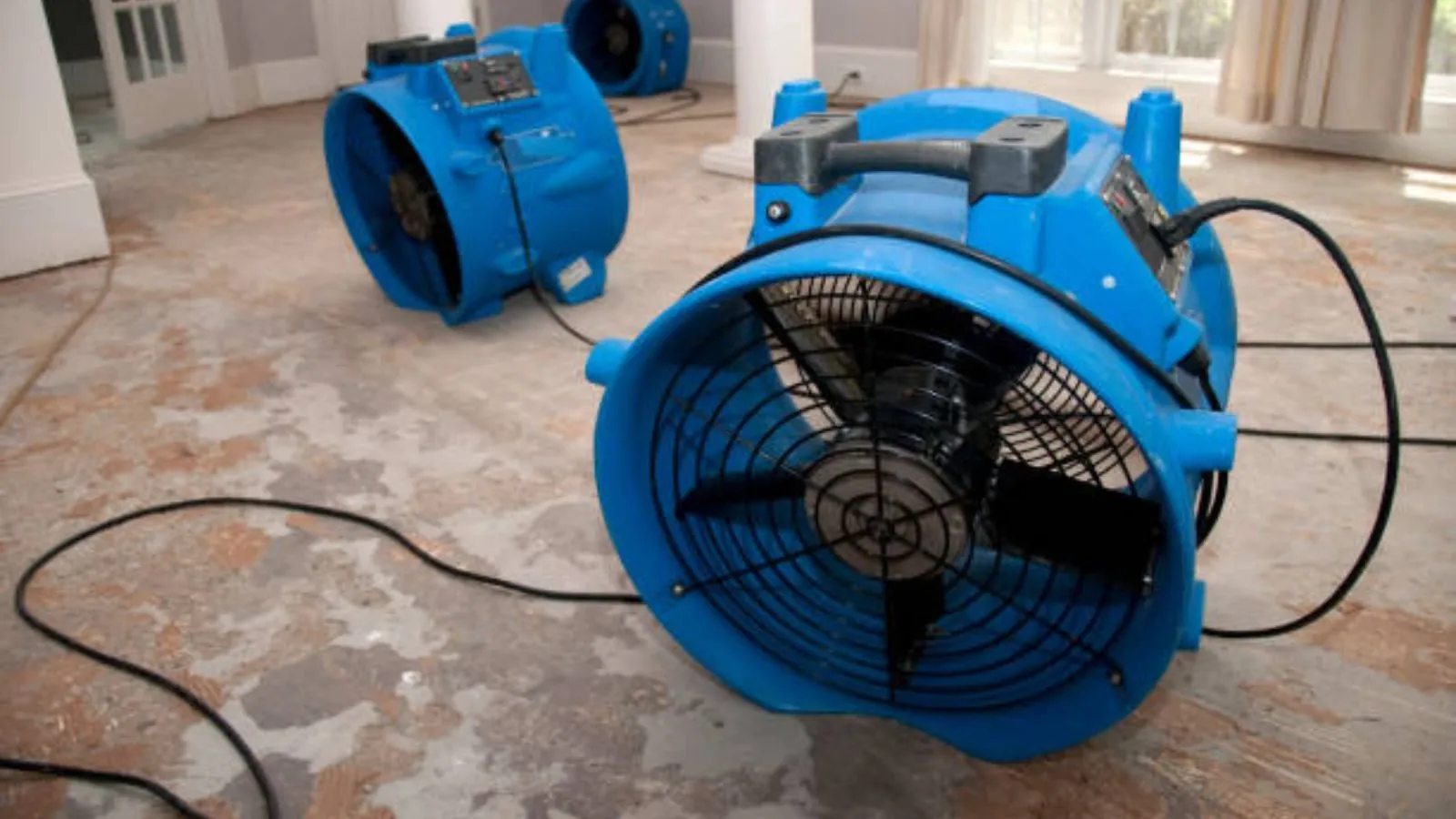
Drywall that was wet briefly with clean water can often be dried in place. We drill small holes at the baseboard or use cavity drying equipment so air moves through the wall.
Drywall that was wet for days, soaked by sewage or floodwater, crumbles or has swollen seams generally comes out. We cut it a few inches above the water line and replace it with new board, tape, mud and primer.
Older houses may have plaster over lath instead of drywall, which dries differently and cannot be patched the same way. We identify the wall material before recommending drying or removal.
The Dedham Building Department at Town Hall handles permits through its portal, and the town says most home improvement projects need one. Ask before wall repairs that include plumbing or electrical changes.
Our repair steps
Read the wall
Use a meter and thermal camera to map moisture inside the wall.
Open as little as needed
Cut inspection openings or remove drywall where it will not dry.
Dry the cavity
Dry framing and insulation or replace wet insulation.
Close and finish
Replace drywall, tape, mud, sand and prime, ready for paint.
Water that started in a pipe is covered in burst pipe water damage, and long-term moisture can lead to growth, so see mold remediation if you find spotting on a wall.
What we check during the visit
The technician records readings at several heights on the wall, checks the floor and ceiling above and below and looks for the source. Thermal imaging often shows the path of the water before any drywall is cut.
We explain the scope and price before work starts, including how many sections of wall will open and how they will be finished.
Baseboards, trim and paneling
Wet baseboards and trim are removed to let the wall cavity breathe, then reinstalled or replaced. Wood paneling can trap water behind it, so we lift a section to check before declaring a wall dry.
Plaster walls, including older plaster over lath, are repaired differently from drywall, and we identify the material before cutting.
What to do before we arrive
These steps are general safety guidance for a wet home or business. If anything feels unsafe, leave the area and call the dispatch line.
- Turn off the breaker for any outlet in or near a wet wall.
- Do not cut open a wall without checking what is behind it.
- Move furniture away from the wall and remove hangings.
- Photograph stains and bulges before cleanup.
Wall repair cost factors
Wall size
Each wall section affected adds to the labor.
Insulation
Wet insulation inside the cavity is removed and replaced.
Wall material
Drywall, plaster and paneling have different repair methods.
Source
Plumbing and exterior leaks need other trades to fix the cause.
Drying days
Cavity moisture is verified by readings.
Finish
Texture and paint matching are priced at the end.
Standard homeowners policies in Massachusetts generally do not cover flood, and the state Division of Insurance says a sump pump or water backup endorsement may add limited coverage. Read your own policy and report the loss to your insurer promptly.
Questions from Dedham property owners
How do I know if the wall is still wet?
A moisture meter gives the answer. A wall can look dry and still read wet inside, which is why we measure before and after drying.
Do you paint after repair?
We repair and prime the wall so it is ready for paint. Final painting is usually done by a painter or by the homeowner.
Can I fix a hole myself?
A small cosmetic hole is simple, but a hole in a wet or soft wall needs the cause and the moisture dealt with first. Patching over wet drywall traps moisture.
Do you explain price before starting?
Yes. We explain scope and price before work starts.