What structural drying actually is
Structural drying removes moisture from walls, floors, ceilings and framing after the free water has been extracted. The goal is to bring materials back to normal moisture content before they are repaired or closed up.
The method follows the principles in the IICRC S500 standard, which is the industry reference for professional water damage restoration. It is about controlling air, temperature and humidity so the water leaves the material, not just the surface.
Air movers and dehumidifiers work together
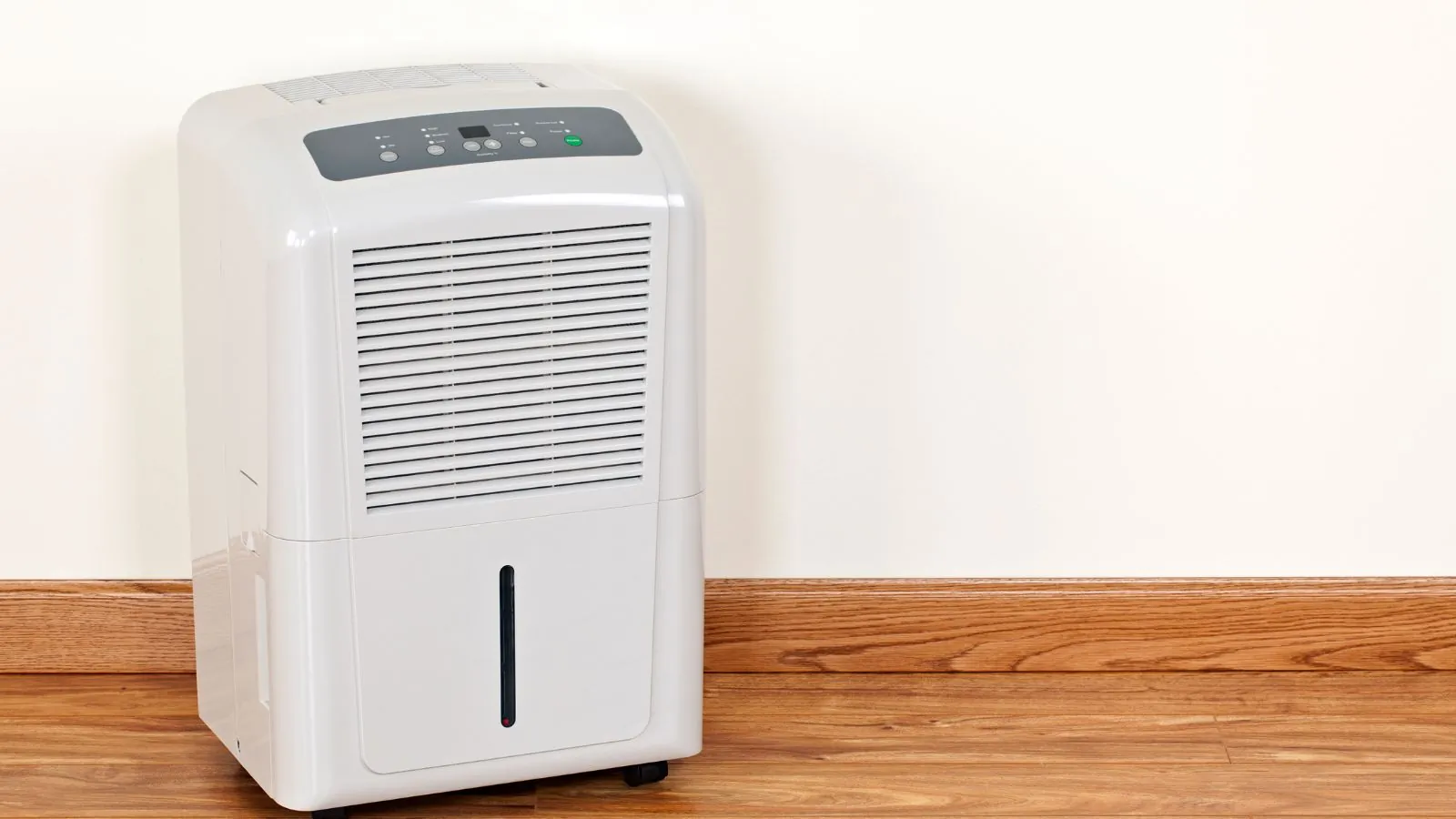
Air movers push dry air across wet surfaces and lift moisture into the room. Dehumidifiers remove that moisture from the air so it does not settle back into other materials.
Refrigerant dehumidifiers work well in warm rooms, and low grain refrigerant or desiccant units are used when temperatures drop or materials are stubborn. Placement and quantity depend on the room volume and how wet the materials are, not on a fixed number per square foot.
| Equipment | What it does | Where it fits |
|---|---|---|
| Air mover. | Moves air across wet surfaces to speed evaporation. | Floors, lower walls, ceilings and cabinets. |
| Dehumidifier. | Pulls evaporated moisture out of the air. | Every enclosed drying area. |
| Injection dry system. | Pushes dry air into a wall cavity or under flooring. | Cavities and hardwood where airflow cannot reach. |
| Moisture meter and thermal camera. | Measures and shows where moisture remains. | Start, every visit and at final readings. |
Moisture mapping and daily readings
Drying is monitored, not assumed. We take moisture readings in specific spots at the start, then at each visit, and record them in a drying log so you can see the numbers fall.
Equipment comes out when materials reach their dry standard, not on a fixed day. A dry wall surface can still hide wet framing, which is why the log matters.
Call and describe what you see. We can explain what readings to expect before any work starts.
How long does drying take
The honest answer is that it depends on what is wet. A thin film on a vinyl floor dries faster than a soaked subfloor and wall cavity, and dense materials such as hardwood take longer than drywall.
We do not promise a number of days before seeing the property. The drying log tells you when each room is finished, and we explain the reason if drying runs longer than expected.
NOAA climate normals for Boston record about 44 inches of precipitation in a typical year, and most winter nights fall below freezing. That means drying in a cold, damp New England house is different from a warm summer job, and heat and dehumidification both matter.
A crew working on an older house with plaster walls or stone foundation sections often finds that moisture lingers in thick or layered materials, which is why we trust the readings rather than the surface.
What happens on the first visit
A technician walks the wet areas, sets a moisture baseline and decides where equipment goes. Photos and readings from the first visit are the starting point for the drying log.
We explain the scope and price before work starts, including how many days of equipment the readings suggest and when we will check them.
What not to do while drying runs
Keep windows and exterior doors closed in the drying area, because outside air can add moisture. Leave the equipment plugged in, avoid moving it and do not cover it with towels or clothes.
What to do before we arrive
These steps are general safety guidance for a wet home or business. If anything feels unsafe, leave the area and call the dispatch line.
- Do not unplug or move drying equipment once it is set.
- Keep doors and windows closed in the drying area unless the crew says otherwise.
- Keep children and pets away from cords and hoses.
- Tell the crew if a breaker trips so the equipment is not moved to an overloaded circuit.
What drying costs depend on
Wet area size
More square footage and cubic feet means more equipment.
Material density
Hardwood, plaster and concrete hold moisture longer than drywall.
Water category
Contaminated water adds removal steps before drying begins.
Equipment days
Billed on how long readings show wet material.
Access
Wall cavities and under-floor spaces may need opening to dry.
Rebuild scope
Repairs afterward are separate from the drying work.
Standard homeowners policies in Massachusetts generally do not cover flood, and the state Division of Insurance says a sump pump or water backup endorsement may add limited coverage. Read your own policy and report the loss to your insurer promptly.
Drying often follows water extraction or flood damage cleanup, and for cabinets and floors see kitchen water damage restoration.
Questions from Dedham property owners
How long do air movers and dehumidifiers need to run?
Until moisture readings show the materials are dry. For many losses that is several days, but a soaked subfloor or wall cavity can take longer, and the drying log shows progress along the way.
Why is it so loud?
Air movers and dehumidifiers run continuously to dry the structure. The noise is a sign the equipment is working, and we explain placement so you can plan where to stay.
Can I turn the equipment off at night?
Please do not, because stopping drying lets moisture settle back into materials. If the noise is a problem, call and we can discuss placement or schedule.
Do you rent equipment out?
No. We provide equipment as part of a drying job and monitor it, rather than renting machines for you to run on your own.
Do you explain price before work starts?
Yes. We explain scope and price first, based on readings and the size of the wet area.