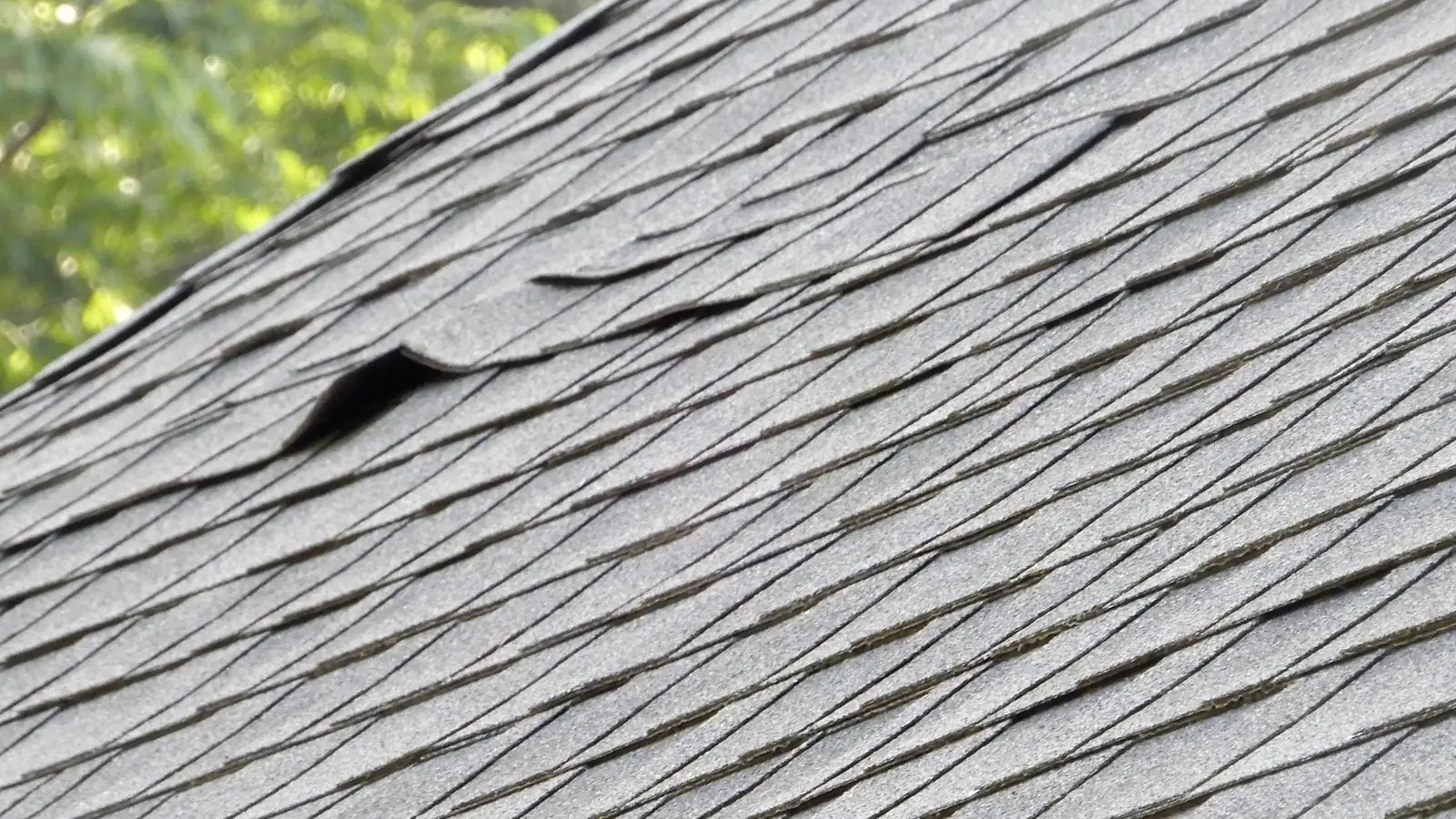
How storms get water into a house
Wind-driven rain finds gaps around windows, flashing and siding. Overflowing gutters send water down foundation walls, and a sump pump that fails during a storm lets groundwater rise inside.
Winter storms add ice dams, where melting snow refreezes at the eaves and forces water under shingles. The leak shows up days later as a stain on a ceiling or a damp patch on an exterior wall.
NOAA climate normals for Boston show about 44 inches of precipitation in a typical year, and the Dedham area sits between the Charles and Neponset Rivers with Mother Brook connecting them. The state’s watershed flood model for this area was calibrated on the March 2010 flood and checked against Hurricane Ida in September 2021.
A regional analysis cited by the Charles River Watershed Association found about 96 percent of the March 2010 flood claims were outside mapped FEMA flood hazard areas, so a storm loss can hit any address.
Storms hit at night
Heavy rain and wind peak after dark as often as not. The dispatch line is open around the clock, and we offer same-day response when available.
Call now. Move valuables to dry ground and stay clear of wet electrical areas.
What we do after a storm
Stop more water
Tarp points of entry or direct you to a roofer or contractor for temporary protection.
Remove the water
Extract standing water and take out soaked insulation and carpet.
Find hidden moisture
Check ceilings, walls and basements with meters and thermal imaging.
Dry and document
Dry the structure and keep photos and readings for your claim.
Roof and ceiling losses are described in ceiling water damage repair, and storm water in lower levels is in basement water damage cleanup. A roofer or window contractor repairs the opening, and we handle the water inside.
Insurance after a storm
The Massachusetts Division of Insurance says standard homeowners policies do not cover flood, and basement wall or floor seepage is not covered with no endorsement available. Rain that enters through a damaged roof or opening is a different question, so ask your insurer how your policy treats the cause of your loss.
A sump pump or water backup endorsement may give limited coverage, and National Flood Insurance Program coverage is separate. Report storm damage promptly and keep photographs of the damage, the date and weather.
What we check on the first visit
A technician looks for the entry point, then takes moisture readings in the ceiling, walls and floor beneath it. Wet insulation and wall cavities are the hardest to see, so thermal imaging is part of the visit.
We explain the scope and price before work starts, including what is temporary protection and what is permanent repair.
Ice dams, gutters and the leaks that follow
An ice dam builds when heat escaping through the roof melts snow, which then refreezes at the eaves. Water backs up under shingles and leaks into the attic, ceiling and exterior wall below.
The cleanup inside is ours, and the fix is a roofer’s or an insulation contractor’s. Better attic insulation and ventilation reduce the heat that causes the melt.
After the storm is over
Check ceilings, the tops of exterior walls and the corners of windows the day after and again a few days later. Stains can appear slowly, and a small drip that is caught early is a small job.
Walk the basement and look for damp walls or a wet floor near the sump. Gutters and downspouts that empty close to the foundation are a common cause of basement water after heavy rain.
Documenting storm damage
Photograph the damage with timestamps and note the date and the weather. Keep receipts for any temporary repairs, since your insurer may ask for them.
What to do before we arrive
These steps are general safety guidance for a wet home or business. If anything feels unsafe, leave the area and call the dispatch line.
- Stay away from downed lines and anything touching them.
- Do not go onto a roof or into an attic during or soon after a storm.
- Cover openings with tarps only if you can reach them from the ground.
- Photograph the damage and the weather conditions if you can.
What affects storm cleanup pricing
Source of entry
Roof, window, gutter and groundwater losses differ.
Rooms affected
The number of rooms and floors decides the equipment.
Insulation and drywall
Wet insulation and drywall are frequent tear-out items.
Water category
Ground and stormwater are treated differently from supply water.
Drying days
Readings decide when equipment comes out.
Rebuild scope
Roofing, siding and interior repair are separate trades.
Questions from Dedham property owners
Do you handle storm water damage emergencies at night or on weekends in Dedham?
Yes. Storm losses cluster at night and during the first hours of heavy rain, so the line answers around the clock, every day. We offer same-day response when available and explain the scope and price before work starts.
Do you do roof repairs?
No. A roofer repairs the roof. We handle the water inside the house, including drying, insulation and ceiling repair, and we coordinate with the roofer on timing.
Should I tarp the roof myself?
Working on a wet or icy roof is dangerous. Call a roofer or a contractor who handles emergency tarping, and call us for the water inside.
Will storm damage be covered?
That depends on your policy and the cause. Flood and seepage are treated differently from rain entering through a damaged roof, so ask your insurer how your loss is classified.
Do you explain price first?
Yes. We explain scope and price before work starts.