Three words, three jobs
Mitigation stops the damage from spreading. Restoration puts the building back to its pre-loss condition, and remediation removes a specific problem, such as contaminated material or mold.
A single job can include all three. The order matters, because you cannot restore a wall that is still wet or remediate mold while water is still coming in.
| Term | What it means | Examples |
|---|---|---|
| Mitigation. | Reduce further damage right away. | Shutting off water, extraction, setting drying equipment. |
| Restoration. | Return the property to pre-loss condition. | Replacing drywall, flooring, paint. |
| Remediation. | Remove a specific contaminant or hazard. | Mold removal, sewage cleanup, containment. |
| Drying. | Return materials to normal moisture content. | Air movers, dehumidifiers, moisture logs. |
How the terms show up in practice
Many companies use remediation for the whole job, and some insurance paperwork uses mitigation for the emergency phase. The label does not matter as much as the scope, which should say what will be done, in what order and why.
If a document uses a term you are unsure of, ask what it covers. A good company explains it in plain terms.
Where standards fit
The IICRC S500 standard is the industry reference for professional water damage restoration, and S520 covers mold remediation. They describe how work should be planned, performed and documented, and they are standards, not guarantees about any specific result.
A restoration company that follows them will talk about water categories, drying goals and documentation. That vocabulary tells you that the company has a method.
Dedham’s Building Department handles permits through an online portal at Town Hall, and the town’s FAQ says most home improvement projects require permits. Restoration work that stays within drying and cleanup is different from repair that opens walls or changes plumbing and wiring, so ask which parts need a permit.
The Dedham-Westwood Water District is the source of your supply water, and the line between public supply problems and private plumbing leaks is where mitigation begins. Water that has entered your building is where our work starts.
What mitigation looks like
- Stopping the water source.
- Removing standing water.
- Removing materials that cannot be dried.
- Setting up air movers and dehumidifiers.
- Moisture mapping and daily readings.
Mitigation is time-sensitive, so it usually starts before repair is scoped. Our structural drying page describes the drying part in detail.
What restoration looks like
Restoration is the rebuild. It includes new drywall, insulation, flooring, trim and paint, and it begins when readings show the structure is dry.
Restoration can be done by the same company or by other contractors. Ask who is responsible for each part and who coordinates them.
What remediation looks like
Remediation handles hazards beyond water itself. For mold, it means containment, removal and cleaning of affected materials with a plan for clearance testing, and our mold remediation page explains how that works.
For sewage or floodwater, remediation means protected removal, cleaning and disposal of contaminated materials before drying and rebuild.
A short example from a basement flood
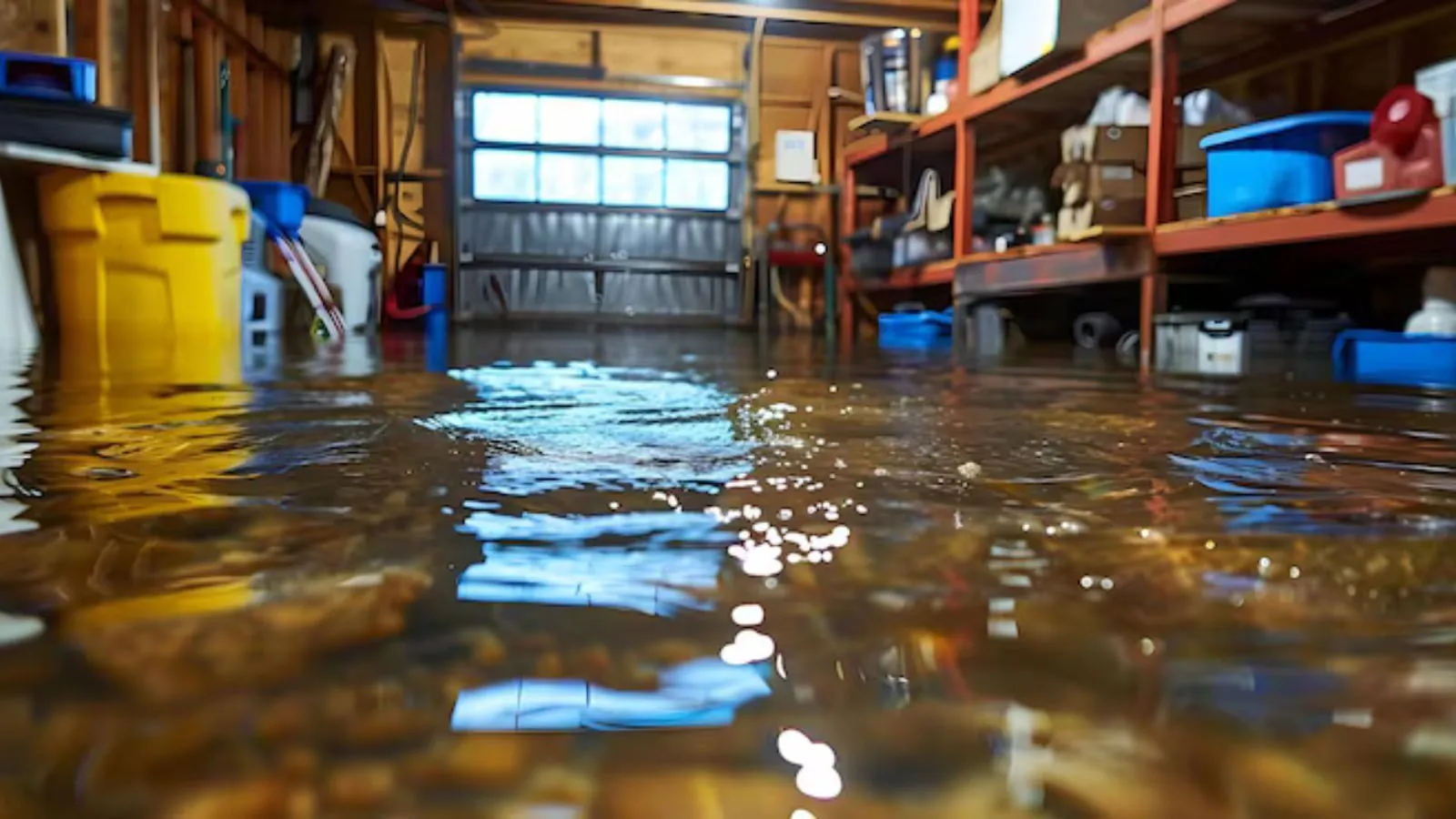
A sump pump fails during a storm and the basement floods. The first call is mitigation, which means pumping the water out and removing wet carpet and pad.
If the water was contaminated, remediation steps come next, such as protected removal of porous material and cleaning of hard surfaces. Then structural drying brings the framing and slab to normal readings.
Restoration is last. New drywall, baseboards, flooring and paint go in, usually after the readings are normal and any needed permits are settled.
How to read a company’s website or flyer
A company that says it does everything should be able to tell you who does each part. Ask whether it has its own crews for mitigation and rebuild, or whether it uses partners.
Neither answer is wrong. What matters is that someone is responsible for the schedule, so drying does not stop while the rebuild is arranged.
Where our work fits
We handle mitigation, drying and the repair of walls, ceilings and floors affected by water, and we coordinate with plumbers, roofers and flooring contractors. For mold or contaminated water, we use remediation steps as part of the job.
We do not repair pipes, roofs or siding, and we do not do basement waterproofing. When one of those is the cause, we tell you and coordinate the order of work.
Questions to ask about terminology
- Which phase does this line of the estimate belong to?
- Who is responsible for drying equipment and monitoring?
- Who handles the rebuild, and when does it start?
- Which standard is the work based on?
Why this matters on your estimate
If an estimate lumps everything together, ask for it to be split into phases. You should be able to see what is mitigation, what is remediation and what is restoration, since insurers and contractors may treat them differently.
You can also see where each phase is performed. For Dedham addresses, the service area page lists the ZIP codes and neighborhoods we serve.
Questions from Dedham homeowners
Is remediation the same as restoration?
No. Remediation removes a specific problem such as mold or contaminated material, while restoration returns the property to its prior condition. A job can include both.
Which comes first, mitigation or restoration?
Mitigation comes first. You stop the water and dry the structure before anyone rebuilds.
Do I need a separate company for each phase?
Not necessarily. Some companies handle all phases, and others handle mitigation and hand off rebuild. Ask who is responsible for what.
Do these terms change what insurance pays?
They can affect how a claim is documented and described. Ask your insurer how it classifies your work and what paperwork it wants.