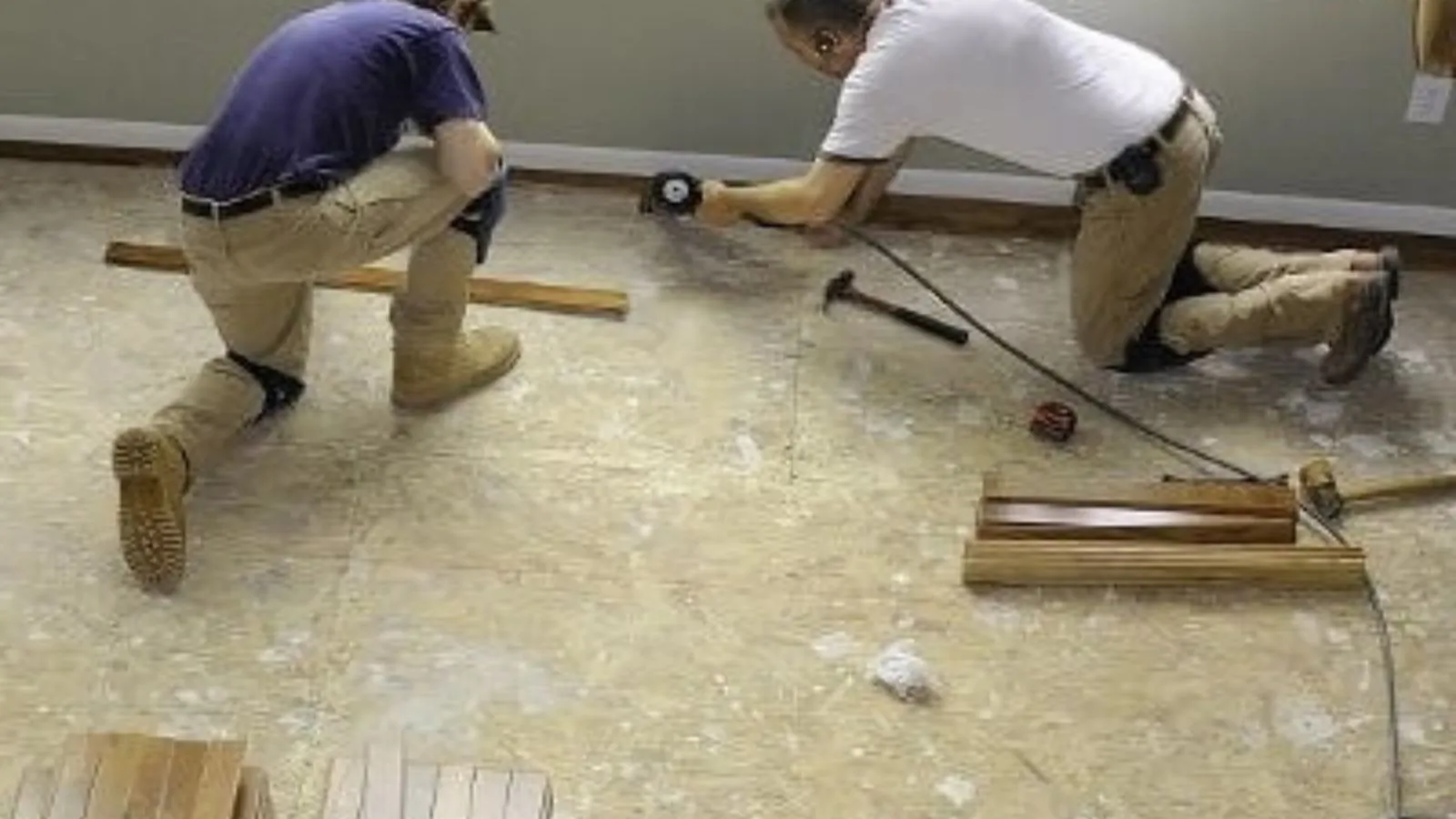
What the town says
The Town of Dedham Building Department is at Town Hall on Washington Street. Permits are handled through an online portal, and plumbing and gas permits and wiring permits go through divisions of the department.
The town’s own FAQ says most home improvement projects require permits. We do not decide that for you, since the rules depend on the work and the property.
Why water damage repair raises permit questions
Drying and cleanup are different from rebuilding. When a repair opens walls, replaces plumbing, changes wiring or alters structure, permit questions come up.
| Type of work | Why it may involve a permit | Who to ask |
|---|---|---|
| Drying, extraction and moisture control. | Usually cleanup, but confirm for your project. | Building Department. |
| Replacing supply or drain lines. | Plumbing work. | Plumbing and gas division. |
| Replacing outlets, panels or wiring. | Electrical work. | Wiring division. |
| Replacing structural members. | Structural work. | Building Department. |
| Large drywall, insulation and finish replacement. | May fall under general home improvement permits. | Building Department. |
| Mold removal and rebuild. | Depends on the scope. | Building Department. |
The table is a guide to questions, not an answer. The department decides what applies to your address and your project.
Who pulls the permit
The contractor doing the work normally pulls it, though you can sometimes do so as the owner. Ask in writing who will obtain permits, who pays the fees and how inspections will be scheduled.
A contractor who says permits are unnecessary without checking is a risk, because unpermitted work can complicate a sale or an insurance claim later.
Dedham’s Building Department posts its permit information and FAQ on the town website, and permits are handled through its online portal. Reading the FAQ before you call helps you ask a better question.
If water damage involves a historic house near Dedham Square or East Street, ask whether additional review applies to exterior changes. The town has a long history, settled in 1635, and older buildings can bring extra questions.
Emergency work comes first
Stopping a leak and removing water cannot wait for paperwork. Call the dispatch line, protect the property and then ask about permits for the rebuild.
Our emergency steps are described on our water extraction page. The rebuild questions come later and should be settled before walls are closed.
Questions to ask the Building Department
- Does my repair require a permit, and which type?
- Do I need an inspection before walls are closed?
- Who must apply, the owner or the contractor?
- How long does review usually take?
- Do I need separate plumbing or electrical permits?
Write down the answers with the date and the name of the person. If a permit is required, keep the permit number with your records and give a copy to your contractor.
How this affects the schedule
Permits and inspections can add time between the end of drying and the end of repair. Plan for that, especially if a plumber or electrician must finish before drywall goes up.
Drying continues while you wait, and we record readings so the structure does not get wetter. Our wall and drywall water damage repair page explains what we do before a wall is closed, and our kitchen water damage restoration page describes the cabinet and flooring side.
A realistic example: a kitchen leak
Say a dishwasher line fails and the water soaks the cabinet base, the floor and the wall behind it. The first work is extraction and drying, which is mitigation, and it happens right away.
Later, the cabinet base, the flooring and some drywall may be replaced. If the plumber reroutes a supply line while the wall is open, that plumbing work may need its own permit, and an inspection may be required before the wall is closed.
The point of the example is the sequence. Dry first, learn what is damaged, then ask which parts of the rebuild need permits while the structure is still open.
Insurance and permits
Insurers sometimes ask for proof that repairs were done properly. Permit records and inspection sign-offs are part of that proof, and a missing permit can raise questions about the quality of the work.
If you sell the house, a buyer’s inspector may look for permits on major repairs. Keeping them in a folder with your photographs and scope saves time later.
When you are renting or in a condominium
Tenants and condominium owners have extra steps. The landlord or the association usually controls repairs to shared walls, plumbing risers and building systems, and may have its own contractor and insurer.
Tell the owner or the association promptly, photograph the damage and ask who is handling permits. Our work inside your unit can start with drying while the responsible party decides how to proceed.
What not to do
- Do not close a wall that has plumbing or wiring work in it until you know whether inspection is required.
- Do not assume that a friendly contractor has checked the rules.
- Do not pay a contractor who refuses to say who will pull permits.
- Do not delay drying while you sort out paperwork for the rebuild.
Documents to keep
Keep permit receipts, inspection sign-offs, the written scope and photographs of work before walls are closed. These help with insurance and with any sale of the home.
For service in Dedham, the service area page lists the ZIP codes and neighborhoods we cover.
Questions from Dedham homeowners
Does drying a flooded basement need a permit?
Cleanup and drying are usually separate from rebuild, but confirm with the Building Department for your project. The town says most home improvement projects require permits.
Who handles plumbing permits in Dedham?
The Building Department, through its plumbing and gas division. A licensed plumber normally applies.
Do I need a permit to replace drywall?
Ask the department. Some repairs are handled under a general building permit and others may not need one, and it depends on the scope.
What if the contractor says no permit is needed?
Ask them to confirm with the Building Department in writing, or call the department yourself. A quick call is cheap compared with unpermitted work.